CRM
CRM in Real Estate: What It Does and How to Choose One
Understand what a real estate CRM does, which features matter most and how to choose software that fits your business, team and privacy requirements.
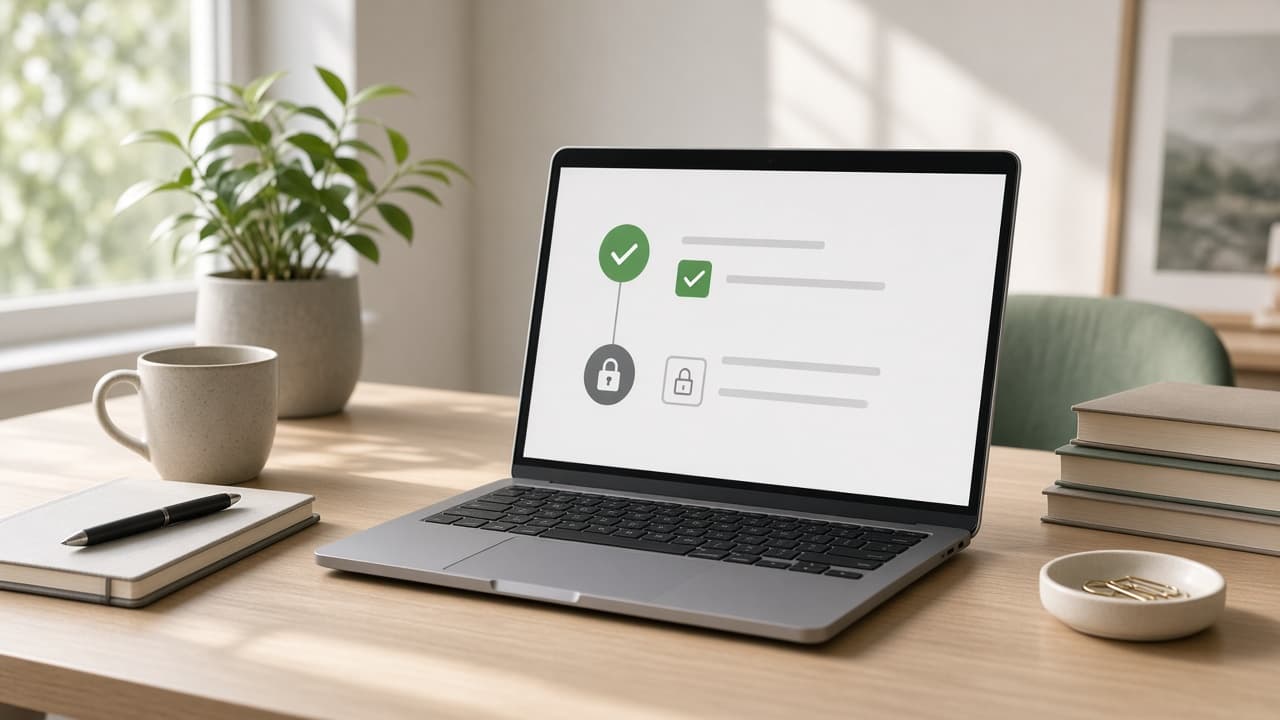
A CRM in real estate is software that keeps every lead, client and conversation in one place. Without one, follow-ups live in your inbox, your phone and your memory. That is where deals slip away.
This guide answers a simple question: what is a CRM in real estate? It then covers what a CRM does day to day and how to choose one that fits your business.
What is a CRM in real estate?
CRM stands for customer relationship management. In real estate, it stores contact details, tracks every interaction and reminds you what to do next.
Think of it as your client memory. It records who enquired, what they want, when you last spoke and what should happen next.
It differs from a spreadsheet because it takes action. It sends reminders, logs emails and texts, and shows where each person sits in your pipeline.
What a CRM does for real estate agents
- Captures leads from your website, ads, portals and referrals into one list.
- Sorts contacts by stage, such as new lead, active buyer or past client.
- Automates follow-up with reminders, emails and texts.
- Tracks each deal from first enquiry to closing.
- Reports on which lead sources actually produce clients.
Speed and consistency matter most in lead follow-up. A CRM makes both easier to keep, even when your calendar is full.
Key features of a good CRM in real estate
Lead capture
Leads should land in your CRM automatically from forms, landing pages and ads. Manual copying wastes time and loses leads.
Automated follow-up
Look for scheduled emails, texts and task reminders. Check which of these sit on higher plans, because that is often where the cost changes.
Lead scoring
Some CRMs use AI to score leads, so you know who is ready to talk. This helps you call the right person first.
Pipeline and task tracking
A clear pipeline view shows every deal by stage. Tasks and reminders keep nothing hidden until it is too late.
Mobile access
Agents work from cars, open houses and showings. A usable mobile app lets you update a lead on the spot.
How to choose a CRM in real estate
- Start with your biggest problem. Slow replies, messy contacts and lost leads need different tools.
- Match it to your size. Solo agents need a simple setup. Teams need shared pipelines and permissions.
- Check the follow-up tools. See what is automated and what costs extra.
- Read the pricing closely. Ask which features sit on which plan and how per-user fees work.
- Confirm Canadian fit. Ask where data is stored and how consent is recorded under CASL and PIPEDA.
- Test it with real leads. A free trial tells you more than a demo.
If you are switching tools, import a small batch of contacts first. Check that names, lead details and tags move across cleanly.
Common mistakes when choosing a real estate CRM
The first mistake is buying for features you will never use. A simple tool you open daily beats a complex one you avoid.
The second is skipping training. Even good software fails if your team does not share one process.
The third is ignoring consent rules. In Canada, CASL covers commercial emails and texts, so confirm your setup with your brokerage or a lawyer.
Where Nesti fits
We build Nesti, so weigh this section with that in mind. Nesti is a Toronto platform that launched in January 2026. Its AI scores every lead from 0 to 100, and AI assistants help with early conversations. Automated follow-up comes with the Standard plan.
If slow replies or unclear priorities are your biggest problem, it is worth a test. See how it compares in our guide to the best AI tools for real estate agents.
Start your 3-day free trial and test Nesti on your own leads.
FAQs about CRM in real estate
What is a CRM in real estate?
It is software that stores your leads and clients, tracks every conversation and reminds you to follow up. It gives agents one reliable record of each relationship and deal.
Do real estate agents need a CRM?
Most do, once they handle more than a few leads at a time. A CRM stops follow-ups from slipping and shows what is working. Very small businesses can start simple.
How is a CRM different from a spreadsheet?
A spreadsheet stores data. A CRM also sends reminders, logs messages and automates follow-up. It shows your pipeline without manual updates.
How much does a real estate CRM cost?
Pricing varies by vendor, plan and number of users. Check each pricing page for what is included. Nesti offers a 3-day free trial so you can test before paying.
Can a CRM help with CASL compliance?
It can help you record consent and manage unsubscribes. Compliance is still your responsibility, so confirm your process with a lawyer.
More blog posts
 The Ravinna Report
Where Is Smart Money Looking Next?
How The Ravinna Report reads a buy: cash in, rent back, and the yield left over — then the Canadian markets on this month’s watchlist.
Read blog Lead generation
How to Find Real Estate Leads: Where Agents Get Clients and How to Keep Them
Learn where real estate agents find clients, how to choose the right lead sources and how to keep every new lead warm with timely follow-up.
Read blog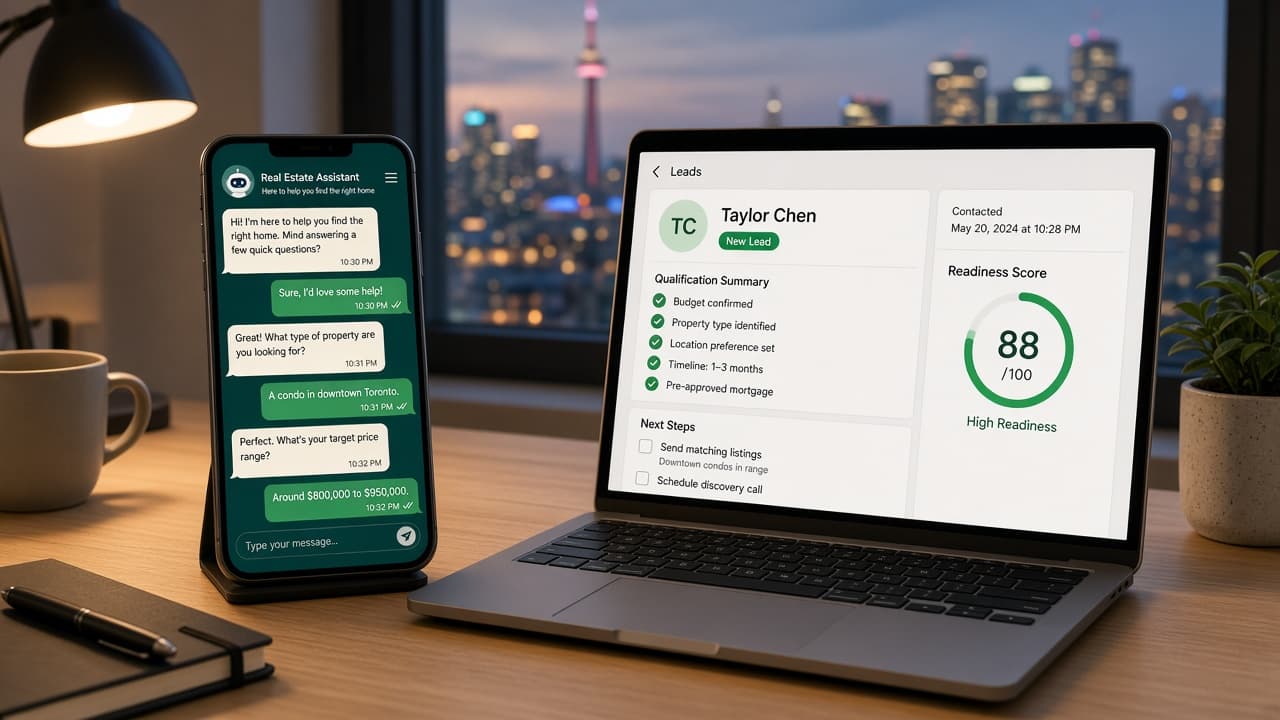 Artificial intelligence
AI for Real Estate Agents: How to Qualify, Follow Up and Close More Leads
See how AI can respond to inquiries, ask qualifying questions and keep follow-up on track—while leaving advice, negotiation and trust to the agent.
Read blog